Alright, let's talk raffles. Not the dusty, paper-ticket kind from your grandparent's church basement (though those are charming in their own right!), but the dynamic, far-reaching world of digital fundraising. If you're looking to energize your community and boost your cause, Setting Up Your Online Raffle could be one of the most effective tools in your arsenal.
Think beyond your local neighborhood. An online raffle can tap into a global network of supporters, making it a powerful engine for change, awareness, and, of course, critical funds. But like any powerful engine, it needs to be built and operated correctly. Skip a step, ignore a regulation, and your good intentions can quickly lead to headaches.
This guide will walk you through everything you need to know, from the initial legal deep-dive to the final prize delivery, ensuring your online raffle isn't just successful, but also compliant and enjoyable for everyone involved.
At a Glance: Key Takeaways for Your Online Raffle
- Legal First: Online raffles are often classified as gambling and are heavily regulated. Research your local (state/province) laws before doing anything else.
- Nonprofit Status is Key: Most jurisdictions require your organization to be a registered nonprofit (e.g., US 501(c)3, Canadian registered charity) to host a raffle.
- Platform Power: Utilize an online raffle platform to streamline ticket sales, tracking, communication, and even drawing winners. Some, like Zeffy, offer free solutions for nonprofits.
- Prizes & Promotion: Secure enticing prizes from donors or local businesses and promote your raffle across all your digital channels for maximum reach.
- Transparency is Crucial: Clearly communicate all rules, prize details, drawing dates, and your organization's mission to build trust and encourage participation.
- Post-Raffle Reporting: Be prepared to submit detailed reports and retain documentation for several years, as required by law.
Why Go Digital? The Power of Online Raffles
An online raffle isn't just a digital version of a traditional one; it's a completely different beast, offering unique advantages. Instead of selling physical tickets, participants buy electronic entries through a dedicated platform, giving them a chance to win a prize.
For charities, schools, clubs, and various nonprofit groups, online raffles are an incredibly effective fundraising activity. They open the door to new donors, amplify awareness for your cause, and can significantly accelerate your fundraising efforts.
The benefits are clear:
- Wider Reach: Break geographical barriers. Your audience isn't limited to who you can physically hand a ticket to.
- Cost-Effective: Eliminate printing costs, saving valuable resources that can go directly to your mission.
- Simplified Tracking: Digital tickets are effortlessly tracked, making reconciliation and reporting a breeze compared to paper stubs.
- Increased Engagement: Online platforms often allow for easy sharing, boosting your raffle's virality and potential ticket sales.
- Professional Image: A well-designed online raffle portal enhances your organization's credibility.
Online Raffles vs. Giveaways: Knowing the Difference Matters
Before you dive in, it’s vital to understand a key distinction: online raffles are often legally distinct from "giveaways."
- Giveaway: Typically offers a free item in exchange for actions like sharing a post, following an account, or tagging friends on social media. There's no payment involved from the participant. These are generally used for brand awareness or engagement and are often subject to fewer regulations than formal raffles, especially in areas where online raffles are considered a form of gambling.
- Online Raffle: Participants pay for a chance to win. This "consideration" (the ticket purchase) is what makes it fall under lottery or gambling laws in most jurisdictions.
This difference isn't academic; it's critical for legal compliance. If your local laws prohibit online raffles, a social media "giveaway" might be a permissible alternative to still engage your audience and raise awareness, even if it doesn't directly raise funds in the same way.
Your Blueprint for Success: The 11 Steps to Setting Up Your Online Raffle
Ready to launch? Here’s a comprehensive, step-by-step guide to ensure your online raffle is a resounding success from concept to cash-in.
1. Demystifying the Law: Understand Raffle Legalities & Eligibility
This is arguably the most crucial step. Neglecting local laws can lead to fines, legal trouble, and a tarnished reputation.
- Do Your Homework: Thoroughly research local (state, provincial, or even municipal) raffle and lottery laws. Laws vary wildly. What's legal in one state might be strictly prohibited in another.
- Confirm Nonprofit Status: Federally, in the U.S., organizations must typically have qualified 501(c) status. In Canada, you'd need to be a registered charity (T3010). Many jurisdictions also require you to be registered and active for a certain period.
- Check Online Specifics: Pay close attention to rules regarding online ticket sales. Some regions permit in-person raffle ticket sales but explicitly forbid selling tickets over the internet or across state/provincial lines.
- Consider "Giveaways": If online raffles are strictly forbidden in your area, investigate if a "giveaway" (where no purchase is necessary for entry) could serve as an alternative to meet your goals.
Action Item: Call your state's Attorney General's office, provincial lottery commission, or local government for definitive guidance. Don't assume anything.
2. Choosing Your Battleground: Raffle Type & Platform Selection
Once you know what's permissible, it's time to strategize.
- Define Your Raffle Strategy: Will it be a classic raffle, where participants buy tickets for a chance to win a specific prize? Or a 50-50 raffle, where the prize is half of the money raised? Consider how many prizes you'll have and if you'll offer ticket bundles (e.g., 1 for $10, 3 for $25).
- Select an Online Raffle Platform: This is your digital headquarters. A good platform can manage ticket tracking, send confirmation emails, display rules, showcase prizes, and even conduct the drawing automatically.
- Paid vs. Free: Many platforms charge a fee or take a percentage of donations. However, some, like Zeffy, offer completely free solutions for nonprofits, ensuring 100% of your funds go to your cause.
- Features to Look For: Ease of use, mobile responsiveness, secure payment processing, donor management tools, and robust reporting capabilities. Even if online sales are restricted, a platform can still manage data for in-person sales.
- Think of these platforms as your command center for efficiency. They simplify the complex process of handling entries and communicating with participants. If you're looking for tools to help generate your online raffles with ease, a dedicated platform is invaluable.
3. Crossing the T's and Dotting the I's: Complete & Submit Necessary Forms
This step requires meticulous attention to detail and a healthy dose of patience.
- Read Everything: Application forms and guidelines are often dense, but every word matters. Read them thoroughly.
- Apply Early: Licensing or permit applications can take significant time to process. Some states require applications 30, 60, or even 90 days in advance.
- No License, No Raffle: Do not launch or promote your raffle until you have the required license or permit in hand. Starting prematurely could jeopardize your application or lead to legal penalties.
- Seek Advice: If this is your first time, contact your local government office for tips and clarification on the application process.
4. The Lure: Sourcing Prizes & Sponsors
Great prizes attract participants. Strategic sponsors amplify your reach.
- Reach Out: Connect with current donors, your board members, and local businesses. Many businesses are eager to support community initiatives, especially when it offers them positive exposure.
- Frame as Collaboration: Present sponsorship as a mutually beneficial partnership. Emphasize the free advertising and positive public relations they'll receive.
- Think Creatively: Prizes don't have to be just physical items. Consider:
- Merchandise: High-value goods, electronics.
- Services: Spa packages, car detailing, personal training sessions.
- Experiences: Weekend getaways, cooking classes, concert tickets.
- Gift Cards: From popular retailers or local establishments.
- Themed Baskets: A "family game night" basket, "coffee lover's dream," or "local gourmet foods" collection.
- Showcase Impact: Explain how their contribution directly supports your mission.
5. Your Digital Shopfront: Create Your Online Raffle Website
This is where participants will engage with your raffle.
- Utilize Your Platform: Most online raffle platforms enable you to easily create a dedicated raffle website or page. This page will display all the essential information and serve as the point of sale.
- Business Page for Giveaways: If you're doing a social media giveaway (not a paid raffle), always use your organization's business page (e.g., Facebook Page) rather than a personal profile to maintain professionalism and comply with platform rules.
6. The Golden Ticket: Design Raffle Tickets (or Entry System)
Whether virtual or physical (if you're also selling in-person), your tickets or entry system must meet legal requirements.
- Mandatory Information: Generally, your tickets (or the digital entry confirmation) must include:
- Name and address of the ticket holder
- Web address/phone number for winning numbers
- Your organization's license number (if applicable)
- Unique ticket number
- Nonprofit organization's name
- Date, time, and location of the drawing
- Ticket price (individual and bundles)
- Clear description of the prize(s)
- Date of any ticket price changes (if applicable)
- The word "raffle" clearly visible
- A statement that the ticket holder does not need to be present to win (if legally allowed)
- House rules
- Sponsor logos (if any)
- Social Media Giveaways: For these, entries might be liking a post, sharing it, or commenting with a specific number or answer. Clearly define the entry method. For complex raffles requiring detailed management, consider a robust platform to generate your online raffles and entries efficiently.
7. Setting the Clock: Determine Raffle Duration
Balance urgency with ample time for promotion and participation.
- Social Media Giveaways: Typically shorter, often 1-2 weeks, to maintain engagement and capitalize on trending topics.
- Online Raffles: Generally run longer, 1-2 months, to allow for broader promotion, more donations, and increased ticket sales. A longer period gives more time for word-of-mouth and staggered marketing efforts.
8. The Story: Craft a Compelling Raffle Description
Your description isn't just about what you're giving away; it's about why you're doing it.
- What & Why: Clearly describe the raffle prize(s) and, more importantly, articulate your organization's mission and how the funds raised will contribute to it. Connect the raffle to a tangible impact.
- Inspire Action: Use inspirational language to encourage donations and participation. People love to support causes they believe in.
- Set a Goal: State your fundraising goal (e.g., "$10,000 for new school supplies" or "500 new followers to boost awareness"). This provides a target and rallies supporters.
9. The Transaction: Sell & Distribute Entries
Make it easy for people to participate.
- Multi-Channel Sales: If regulations allow, combine online sales with in-person options (e.g., at events) for maximum reach. Ensure all sales are recorded on your chosen platform.
- Sequential Numbering: Every ticket, whether digital or physical, must have a unique, sequential serial number for proper tracking and auditing.
- Platform Automation: Your online platform should automatically generate and send digital tickets or entry confirmations to participants, and help you manage all sales data seamlessly. A dedicated tool helps you generate your online raffles with all the necessary ticket and tracking details.
10. Spreading the Word: Promote Your Raffle
A fantastic raffle with no participants is just a good idea. Promotion is key.
- Leverage Your Network: Reach out to current and past donors, community groups, volunteers, and local businesses. Personal appeals are powerful.
- Social Media Blitz: Share your raffle across all your social platforms – Facebook, Twitter, Instagram, LinkedIn, and your organization's website. Use compelling visuals and clear calls to action.
- Storytelling: Share stories of previous raffle winners, or, more importantly, highlight how past funds have been used to further your organization's mission. Show the impact of their support.
- Email Campaigns: Send out direct email campaigns to your mailing list. Encourage recipients to forward the raffle link to friends, family, and colleagues.
- Press Releases: For larger raffles or high-value prizes, consider sending out a local press release.
11. The Grand Finale: Conduct the Drawing & Deliver Prizes
The exciting conclusion! Ensure fairness and transparency.
- Drawing Method:
- Automated: Many online raffle platforms include a feature to automatically and randomly select a winner, ensuring impartiality.
- Manual: If performing a manual draw, use a reputable random number generator to select the winning ticket number. Record the drawing if possible.
- Announce Winners: Publicly announce the winner(s) on your website, social media channels, and via email. Be timely and enthusiastic.
- Prize Delivery: Coordinate with the winner(s) for prize delivery. This might involve shipping the item (after confirming their shipping information) or arranging a local pickup if they are in the same city. Always verify identity before handing over a prize.
Beyond the Draw: Post-Raffle Reporting & Compliance
Your responsibilities don't end when the winner is announced.
- Fulfill Reporting Requirements: Most jurisdictions require specific post-raffle reports detailing funds raised, expenses incurred, and prizes awarded. Submit these reports accurately and by their deadlines.
- Document Retention: Keep all documentation related to your raffle – applications, licenses, ticket sales data, prize receipts, promotional materials, and financial records – for at least three years, as typically required by law.
- Platform Assistance: Your online raffle platform can be invaluable here, helping you track sales, participant names, addresses, and prize details for easy reporting. It's another reason why a tool that can generate your online raffles efficiently is so helpful, as it centralizes much of the required data.
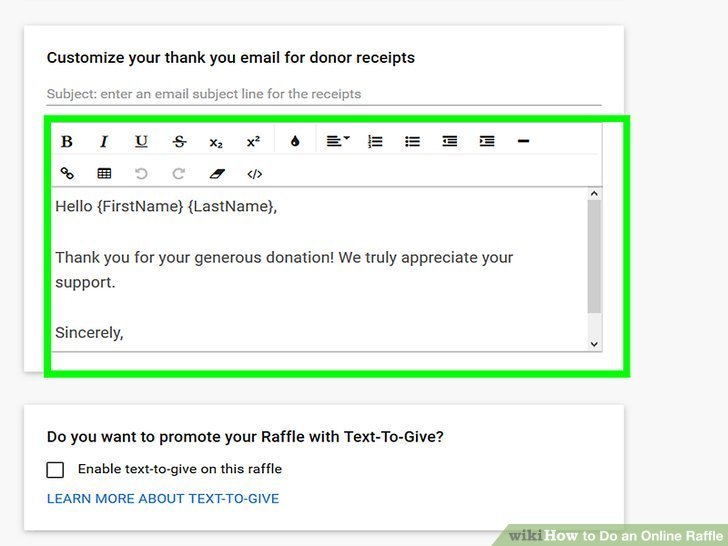
- Thank You Notes: Don't forget to thank all participants, donors, and sponsors. A gracious follow-up fosters goodwill and encourages future support.
Common Questions & Clarifications
Can I sell online raffle tickets to people in other states or countries?
Generally, no. Raffle laws are almost always state or province-specific. Selling across borders (even state lines) can violate federal or international gambling laws and your specific license. Always restrict sales to residents of the approved geographic area.
What if my organization isn't a registered nonprofit?
Most jurisdictions require organizations to have a recognized nonprofit status (e.g., 501(c)3 in the US) to host a legal raffle. If you don't have this, explore other fundraising methods or consider partnering with an eligible nonprofit.
How much should raffle tickets cost?
Ticket pricing depends on the prize value, your fundraising goals, and your target audience. Common strategies include:
- Lower price for broader appeal (e.g., $5-$10 per ticket).
- Higher price for high-value prizes (e.g., $50-$100 per ticket).
- Offering bundles (e.g., 1 for $10, 3 for $25) to encourage higher purchases.
Always ensure the ticket price is perceived as good value for the chance to win the prize.
How do I ensure fairness in the drawing process?
Using a reputable online raffle platform with an integrated random drawing tool is the best way to ensure fairness and transparency. If drawing manually, use a certified random number generator or a physical drawing mechanism (like a raffle drum) with a clear, unbiased process, preferably witnessed.
What happens if I don't get a license before running my raffle?
Operating an unlicensed raffle can lead to severe legal penalties, including fines, legal action against your organization, and potential criminal charges. It can also permanently damage your organization's reputation and ability to fundraise in the future. Compliance is non-negotiable.
Your Path to Fundraising Success
Setting up your online raffle the right way requires diligence, attention to detail, and a clear understanding of the rules of the game. It's not just about picking a prize and selling tickets; it's about navigating a landscape of legal requirements, leveraging digital tools, and building a compelling narrative around your cause.
By meticulously following these steps, you'll not only avoid common pitfalls but also create an engaging, successful fundraising event that expands your reach, galvanizes your community, and drives significant impact for your mission. Now, go forth and raffle!